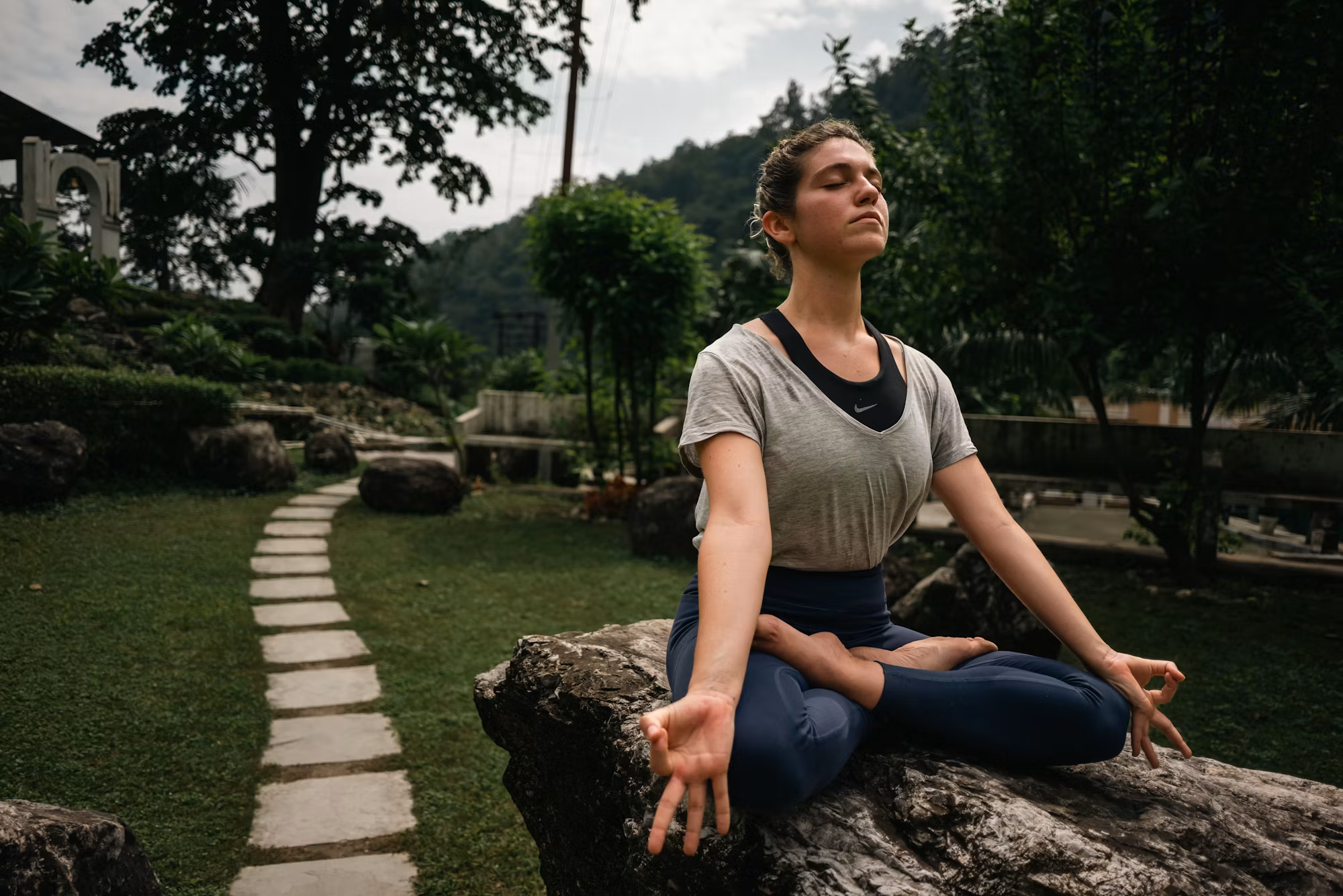
In our fast-paced world, the art of mindfulness has emerged as a vital practice for enhancing mental clarity, emotional stability, and overall well-being. Mindfulness, the ability to be fully present and engaged in the moment, allows individuals to navigate life’s challenges with greater ease and awareness. This article delves into the principles of mindfulness, its myriad benefits, and practical strategies for integrating mindfulness into everyday life.
Understanding Mindfulness
At its core, mindfulness involves paying attention to the present moment without judgment. This practice can be traced back to ancient contemplative traditions, but in recent years, it has gained popularity in mainstream culture, especially within wellness and self-improvement communities. Mindfulness encourages individuals to observe their thoughts, feelings, and sensations with curiosity rather than criticism, fostering a deeper connection to themselves and their surroundings.
The Benefits of Mindfulness
Incorporating mindfulness into daily life offers a wealth of benefits that can positively impact mental, emotional, and physical health. Research has shown that practicing mindfulness can lead to significant improvements in various aspects of well-being:
1. Stress Reduction: One of the most notable benefits of mindfulness is its ability to reduce stress. By focusing on the present, individuals can cultivate a sense of calm and detachment from overwhelming thoughts and worries. Mindfulness helps break the cycle of rumination, allowing for a more balanced perspective on challenges.
2. Enhanced Emotional Regulation: Mindfulness fosters greater emotional awareness, enabling individuals to recognize and manage their emotions more effectively. This heightened awareness allows for healthier responses to difficult situations, reducing impulsive reactions and promoting emotional resilience.
3. Improved Focus and Concentration: Regular mindfulness practice can enhance cognitive functions such as focus and attention. By training the mind to concentrate on the present, individuals can improve their ability to complete tasks efficiently and with greater clarity.
4. Better Relationships: Practicing mindfulness can lead to more meaningful and fulfilling relationships. By being fully present with others, individuals can listen more deeply, empathize, and communicate more effectively, fostering stronger connections.
5. Increased Self-Awareness: Mindfulness encourages self-reflection and self-discovery, helping individuals gain insights into their thoughts, behaviors, and patterns. This increased self-awareness can lead to personal growth and a deeper understanding of oneself.
Practical Strategies for Incorporating Mindfulness
Integrating mindfulness into daily routines doesn’t require extensive time or special equipment. Here are several practical strategies to cultivate mindfulness in everyday life:
1. Mindful Breathing: One of the simplest ways to practice mindfulness is through mindful breathing. Take a few moments each day to focus on your breath. Inhale deeply through your nose, allowing your abdomen to rise, and exhale slowly through your mouth. Pay attention to the sensations of your breath as it enters and leaves your body. This practice can be done anywhere and can help ground you in the present moment.
2. Mindful Eating: Transform mealtimes into mindful experiences by savoring each bite. Notice the flavors, textures, and aromas of your food. Chew slowly and appreciate the nourishment you are providing your body. Mindful eating encourages a healthier relationship with food and can lead to more conscious eating habits.
3. Nature Walks: Spend time in nature to practice mindfulness. Whether it’s a stroll in the park or a hike in the woods, immerse yourself in the sights, sounds, and smells of your surroundings. Allow yourself to be fully present in the moment, observing the beauty of nature without distractions.
4. Mindfulness Meditation: Setting aside time for mindfulness meditation can deepen your practice. Find a quiet space, sit comfortably, and close your eyes. Focus on your breath or a specific mantra, gently bringing your attention back to the present whenever your mind wanders. Start with just a few minutes each day and gradually increase the duration as you become more comfortable.
5. Daily Mindfulness Reminders: Incorporate mindfulness into your daily routine by setting reminders. Use sticky notes or phone alarms to prompt you to take a moment to pause and breathe throughout the day. This simple practice can help you cultivate mindfulness amidst a busy schedule.
Mindfulness in Everyday Activities
Mindfulness can be practiced in a variety of everyday activities, transforming mundane tasks into opportunities for presence and awareness:
1. Mindful Commuting: Whether you’re driving, biking, or taking public transportation, use your commute as a time for mindfulness. Instead of getting lost in thoughts or distractions, focus on the experience of traveling. Notice the sights, sounds, and sensations as you move from one place to another.
2. Mindful Cleaning: Turn household chores into mindfulness practices by engaging fully in the task at hand. Whether you’re washing dishes or vacuuming, pay attention to the movements of your body and the sensations of the task. This practice can transform chores into a form of meditation.
3. Mindful Technology Use: In our digital age, it’s essential to practice mindfulness with technology. Set boundaries for screen time and engage with your devices consciously. When using your phone or computer, be fully present with the task, avoiding multitasking that can lead to distractions and stress.
Overcoming Challenges in Mindfulness Practice
While mindfulness offers numerous benefits, it’s common to encounter challenges along the way. Here are some strategies to overcome these obstacles:
1. Cultivating Patience: Mindfulness is a skill that takes time to develop. Be patient with yourself as you navigate the practice. Acknowledge that it’s normal for your mind to wander and that each moment of awareness is a step forward.
2. Creating a Supportive Environment: Establishing a conducive environment for mindfulness can enhance your practice. Find a quiet space, free from distractions, where you can engage in meditation or reflection. Surround yourself with supportive individuals who encourage mindfulness and self-care.
3. Setting Realistic Goals: Start small and set achievable goals for your mindfulness practice. Whether it’s dedicating five minutes to meditation each day or practicing mindful breathing during lunch, gradually build your practice to suit your lifestyle.
The Lasting Impact of Mindfulness
As individuals cultivate mindfulness in their lives, the impact extends beyond personal well-being. Mindfulness can influence the broader community by promoting kindness, empathy, and understanding. As people become more present and self-aware, they are better equipped to contribute positively to their relationships and society.
Conclusion
The art of mindfulness is a powerful tool for navigating the complexities of modern life. By incorporating mindfulness practices into everyday routines, individuals can enhance their well-being, foster deeper connections, and cultivate a greater sense of peace and clarity. The journey towards mindfulness is unique for everyone, but the rewards are profound and far-reaching. Embracing the present moment allows us to unleash our full potential and lead more fulfilling lives.
Through intentional practice and a commitment to being present, we can create a more mindful existence, enriching our lives and the lives of those around us.